
TP-Link AC11 Gigabit Port Wireless Router with 8-pin Pure Copper Interfaces for 200M-1000M Broadband Access, 1 Gigabit WAN and 3 Gigabit LAN Ports, Black - AU/EU/UK/US Plug Styles


TP-Link AC11 Gigabit Port Wireless Router with 8-pin Pure Copper Interfaces for 200M-1000M Broadband Access, 1 Gigabit WAN and 3 Gigabit LAN Ports, Black - AU/EU/UK/US Plug Styles
TP-Link AC11 Gigabit Wireless Router with 8-Pin Copper Ports for High-Speed Broadband

The TP-Link AC11 is a wireless router designed to deliver a stable and faster network connection for homes and small offices using high-speed broadband services. Its core upgrade centres on an improved internal chipset, which enhances overall network speed and reliability. This router is built to maximise the bandwidth provided by your internet service provider, making it suitable for multi-device households, online gaming, and video streaming. With its specific design for 200M to 1000M broadband tiers and the inclusion of Gigabit ports with 8-pin pure copper interfaces, it provides a practical foundation for a responsive home network.
Features and Construction

The AC11 router is constructed with a focus on providing reliable wired and wireless connectivity for demanding internet usage. Its physical design and port configuration support high data throughput and stable connections across multiple devices.
Material and Build
A key construction feature of the AC11 router is its use of 8-pin pure copper interfaces for its network ports. This material choice is noted to result in smaller network input and output loss compared to routers using standard 4-pin ports, contributing to more efficient data transmission. This design is intended to be paired with Category 6 network cables to ensure data flows smoothly, supporting activities that require consistent bandwidth.
Size and Practical Fit
The router has a compact form factor, measuring 220mm in width, 141.5mm in depth, and 49mm in height. This size allows it to fit comfortably on a shelf, desk, or entertainment unit without occupying excessive space. The unit is finished in black, offering a neutral appearance that blends with most home or office decors. It is available with power adapters configured for AU, EU, UK, and US plug styles, providing flexibility for users in different regions.
Uses and Placement
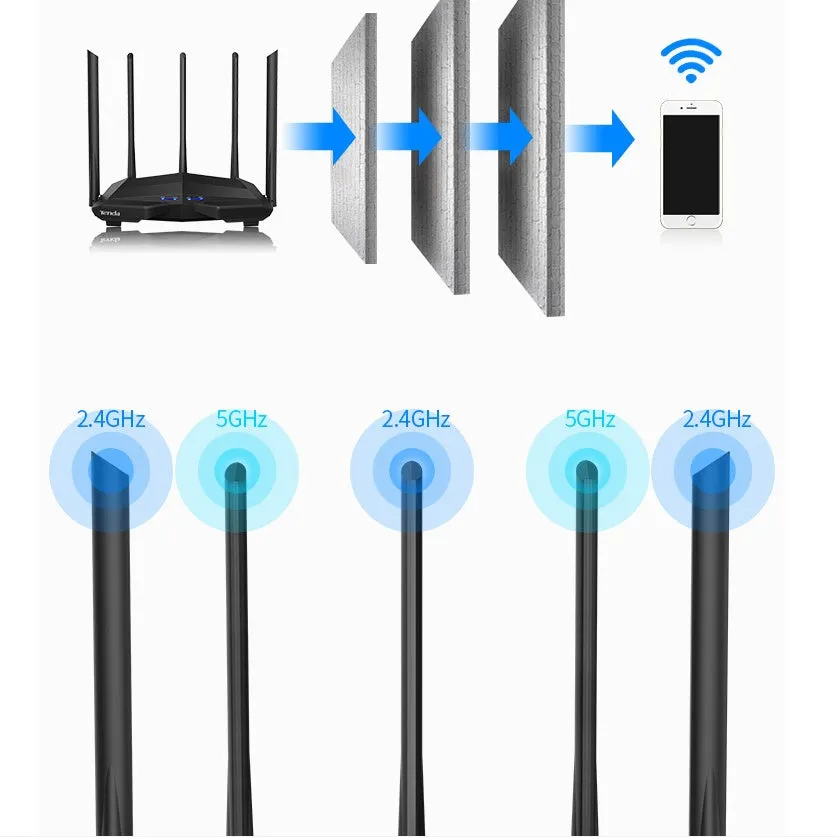
This router is suited for environments where a dependable internet connection is needed for various online activities. Its specification targets common residential and small professional networking requirements.
Event or Professional Use
For small offices, home businesses, or intensive home usage, the AC11's Gigabit port configuration is relevant. The single Gigabit WAN port connects directly to your modem, while the three Gigabit LAN ports allow for wired connections to desktop PCs, network printers, or network-attached storage devices, ensuring a fast and stable link for data transfer and latency-sensitive tasks. The hardware is built to handle the bandwidth of modern high-speed broadband plans.
Everyday Home Use
In a typical household, the router supports simultaneous internet access for smartphones, tablets, laptops, smart TVs, and gaming consoles. The upgraded chipset aims to provide stronger stability for multiple devices connected via Wi-Fi, helping to maintain consistent performance for streaming video, participating in video calls, and online gaming without the connection dropping or lagging.
Benefits and Buying Value
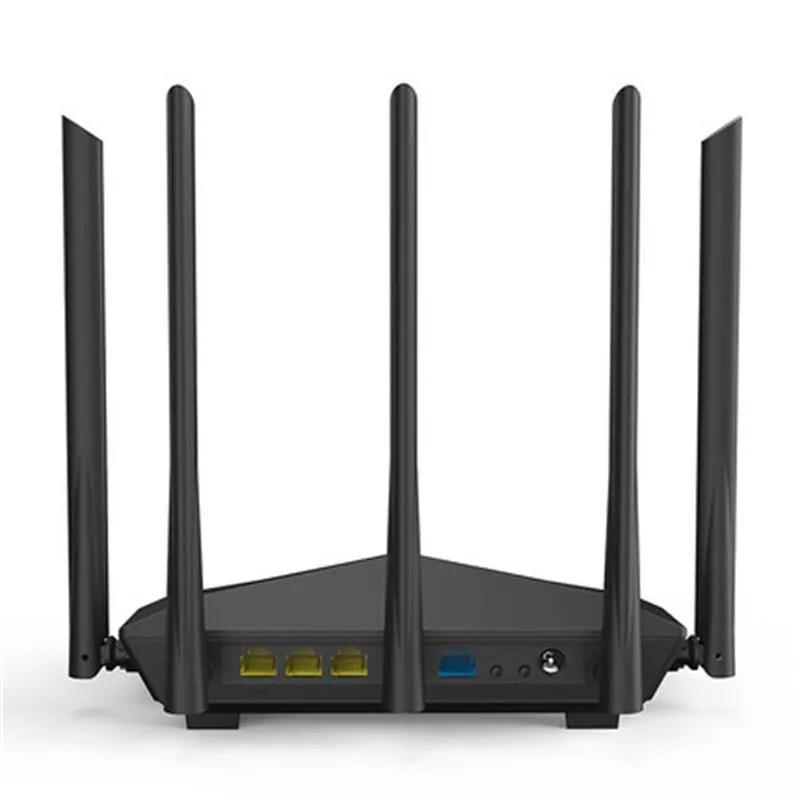
The value of the AC11 router lies in its specific hardware features that address the needs of users on faster broadband plans, offering a balance of performance and practicality.
Reuse and Low Maintenance
The router is a standard networking device designed for continuous operation. Its construction with 8-pin copper ports is associated with durable connectivity. General maintenance involves keeping the device in a well-ventilated area and ensuring firmware is updated for security and performance.
Why Choose This Product
The AC11 router is a relevant choice for users whose internet service provides speeds between 200M and 1000M, as its hardware is specified for this range. The inclusion of multiple Gigabit ports with 8-pin copper interfaces is a tangible differentiator that supports high-quality wired networking, which can be crucial for applications where Wi-Fi alone may be insufficient. It provides a focused set of features aimed at improving connection stability and utilising available broadband bandwidth effectively.
