
Lightweight safety shoes with European standard steel toe and Kevlar midsole protection, featuring anti-smash and anti-puncture construction for industrial and workshop use, available in sizes 37-45 with a TPU outsole and flyknit fabric upper.


Lightweight safety shoes with European standard steel toe and Kevlar midsole protection, featuring anti-smash and anti-puncture construction for industrial and workshop use, available in sizes 37-45 with a TPU outsole and flyknit fabric upper.
Lightweight Industrial Safety Shoes with Steel Toe and Kevlar Anti-Puncture Midsole
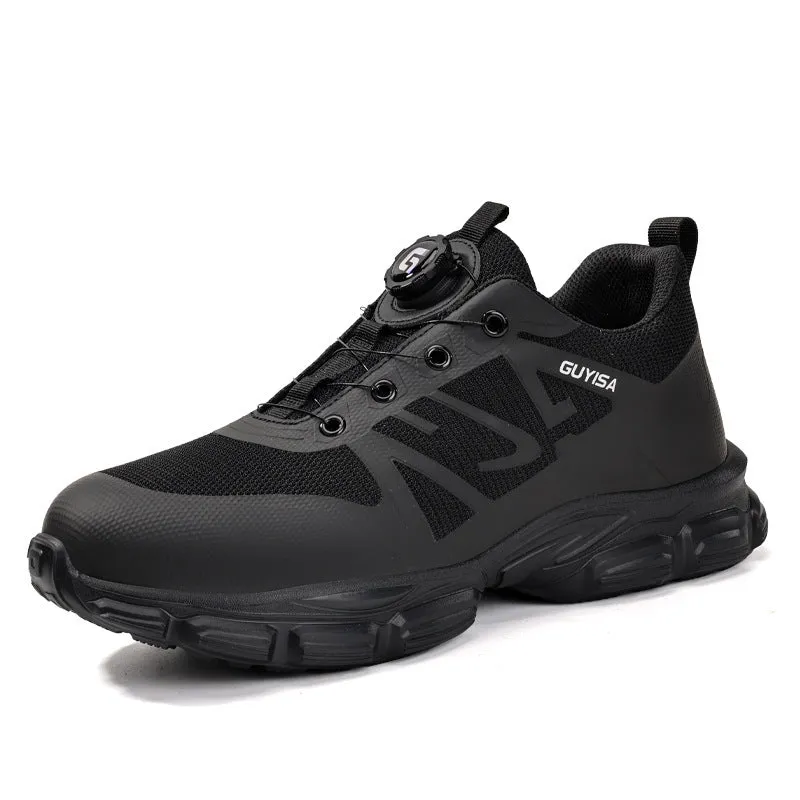
Designed for professionals and tradespeople who require dependable foot protection without the bulk of traditional safety boots, these shoes combine essential safety features with a focus on reduced weight. The core design addresses two primary workplace hazards: impact from falling objects and puncture from sharp debris on the ground. By utilising materials like flyknit fabric for the upper and a Kevlar-reinforced midsole, the shoe aims to deliver its protective functions in a format that is less cumbersome for all-day wear. The inclusion of a European standard steel toe cap signifies a recognised level of impact resistance, making these shoes a practical consideration for warehouse, workshop, and light industrial settings where such certifications are often required.
Features and Construction

The construction of these safety shoes is defined by a clear layering of protective and supportive materials, each serving a specific purpose. From the external upper down to the outsole, every component is selected to contribute to the shoe's dual protective role and wearability. This section details the material choices and how they translate into the shoe's functional profile, focusing on the facts provided about each layer.
Material and Build
The upper is constructed from flyknit fabric, a knitted textile that differentiates these shoes from classic leather safety boots. This material choice is primarily associated with reducing overall weight and potentially improving breathability. The lining continues this theme, using a flyknit mesh to manage moisture and air flow inside the shoe. The critical safety elements are the European standard steel toe cap, which is a rigid protective shell over the forefoot, and the Kevlar midsole. Kevlar is a high-strength synthetic fibre, and its placement in the midsole layer is specifically intended to resist penetration from sharp objects like nails or metal shards that could otherwise pierce through a standard sole.
Size and Practical Fit
The shoes are offered in a wide range of UK sizes, from 37 to 45, accommodating a variety of foot dimensions. This comprehensive sizing allows for a more precise and comfortable fit, which is important for footwear intended for prolonged wear. The available colour is listed as LB3117BK, indicating a specific product variant. The outsole is made from TPU (thermoplastic polyurethane), a material known for offering a good balance of durability, flexibility, and traction, making it a common choice for work shoe outsoles that need to perform on different surfaces.
Uses and Placement
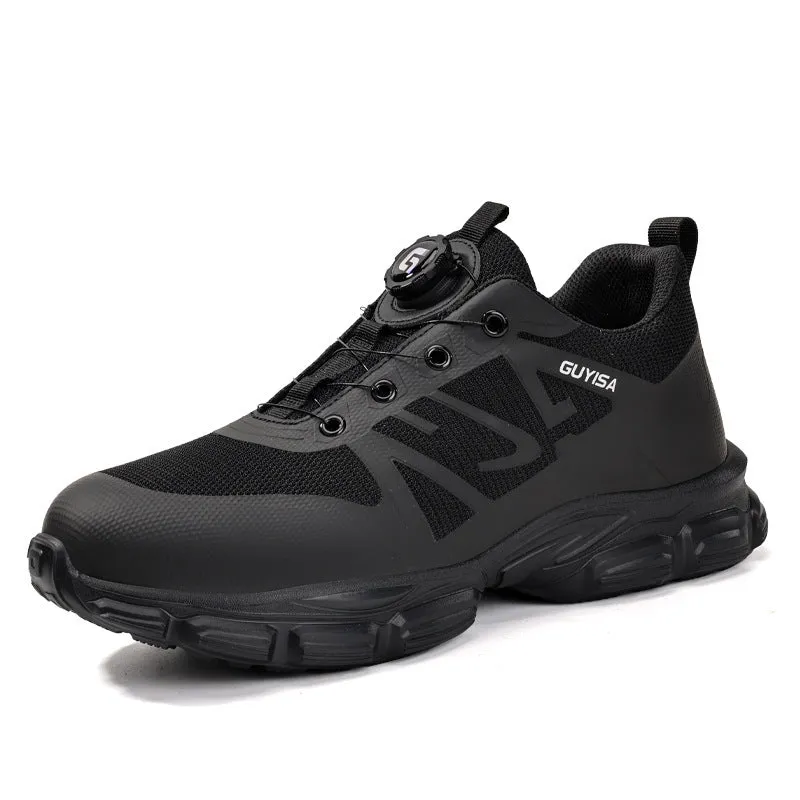
Understanding the intended environment for this footwear helps clarify its value proposition. These shoes are not general-purpose trainers but are built with specific workplace hazards in mind. Their application is best suited to scenarios where the stated protections are a practical necessity or a mandatory requirement, bridging the gap between basic casual wear and heavy-duty industrial boots.
Event or Professional Use
In professional contexts, these shoes are designed for environments where safety regulations may mandate protective footwear. This includes workshops for carpentry or metalworking, light manufacturing floors, warehouse logistics where handling of goods poses a risk, and construction sites during certain finishing phases. The European standard steel toe provides a baseline of certified impact protection, while the Kevlar midsole addresses the less visible but equally dangerous threat of punctures from debris on the ground. Their lighter construction may be preferable in settings where mobility is valued alongside protection.
Everyday Home Use
For serious DIY enthusiasts or homeowners undertaking significant renovation projects, these shoes offer a level of protection beyond standard footwear. Activities like landscaping with sharp tools, handling heavy building materials, or working in a garage workshop can pose similar smash and puncture risks. In these scenarios, the shoes serve as a personal protective equipment (PPE) investment for the home, applying professional-grade safety concepts to domestic projects to help prevent common workshop injuries.
Benefits and Buying Value

The value of this product lies in its specific combination of features aimed at solving clear problems. It avoids claiming to be an all-in-one solution, instead focusing on delivering its stated protections effectively. When evaluating its worth, the key considerations are how its material choices translate into user benefits and what sets it apart from both casual footwear and heavier safety alternatives.
Reuse and Low Maintenance
As safety equipment, the primary concern is maintaining the integrity of the protective features for repeated use. The TPU outsole is selected for its wear resistance, suggesting a focus on longevity under daily abrasive conditions. The flyknit fabric upper, while lighter, will require care to keep clean; a simple wipe-down with a damp cloth is a practical, low-maintenance approach. The core value for reuse is predicated on the sustained performance of the steel toe and Kevlar midsole, which should be inspected regularly for any signs of damage or deformation that could compromise safety.
Why Choose This Product
This product may be a suitable choice for someone prioritising lightweight footwear that still incorporates essential industrial safety certifications. Its differentiating factors are the explicit use of a Kevlar midsole for anti-puncture defence—a specific material solution to a specific hazard—and the flyknit upper that offers an alternative to traditional, often hotter and heavier, leather or synthetic builds. It presents a focused option for those whose work environment requires a steel toe cap but who would benefit from a less bulky shoe, making it a potential middle ground between heavy boots and entirely unprotected shoes.
