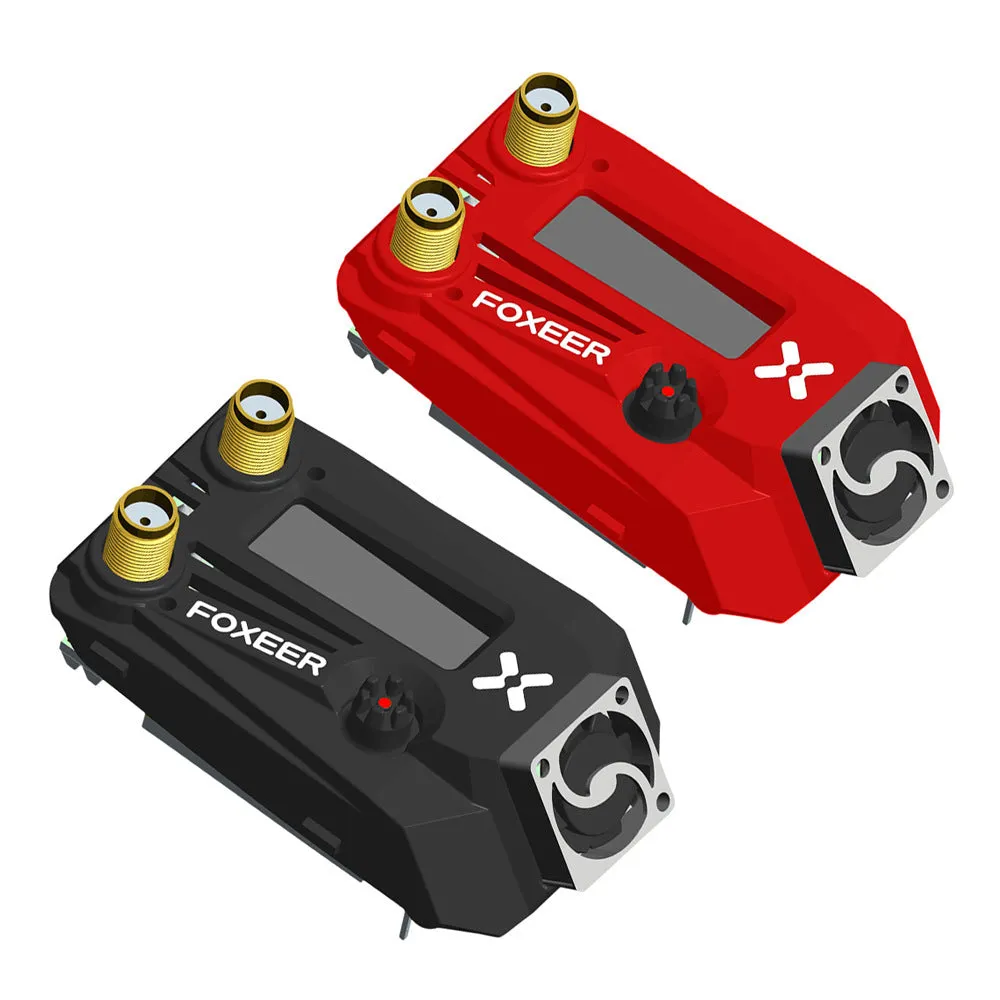
FPV goggles FPV dual receiver 58g flying glasses compatible with FatShark Flying Shark, battery powered FPV video receiver system for FPV drone racing and flying, black colour lightweight design


FPV goggles FPV dual receiver 58g flying glasses compatible with FatShark Flying Shark, battery powered FPV video receiver system for FPV drone racing and flying, black colour lightweight design
Wildfire Glasses FPV Dual Receiver 58g: Lightweight Video System for FPV Drone Flying
These Wildfire FPV glasses offer a dedicated video receiving solution for FPV (First Person View) drone pilots. The system is designed to receive a live video signal from a drone's onboard camera, transmitting it directly to the pilot's eyes via compatible displays or goggles. With a stated weight of just 58 grams, the black-frame glasses are constructed to be lightweight, aiming to reduce strain during long flying or racing sessions. Powered by an integrated battery for cordless portability, the dual-receiver configuration is intended to provide more reliable signal handling compared to single-receiver units, which can be beneficial in environments with potential interference. The product is specified for a youth demographic, with an applicable age range of 15 to 35 years, positioning it for hobbyist and enthusiast FPV activities.
Features and Construction

The core design of these FPV glasses centres on providing a portable, dedicated video link for drone pilots. The construction prioritises a low-profile, integrated system.
Material and Build
The primary structural material is plastic, forming the glasses frame and the housing that contains the electronic circuitry. This plastic build contributes to the overall light weight of 58 grams. The internal components include the dual video receivers, power management circuits for the battery, and the necessary connections for video output. The use of a dual-receiver setup is a key functional aspect, theoretically offering improved signal robustness by providing redundancy or diversity, which can help maintain a stable video feed if one signal path degrades.
Size and Practical Fit
The most concrete specification provided is the total weight of 58 grams. This lightweight figure is a significant design point, as heavier head-mounted equipment can cause neck strain and discomfort during prolonged FPV flying sessions, which often last for multiple battery packs. The black colourway offers a neutral, non-reflective finish suitable for outdoor use. The product is described as 'glasses', implying a form factor designed to be worn on the head, likely integrating or connecting to a separate display screen or lens system, though the exact mounting mechanism is not detailed in the source text.
Uses and Placement

This product serves a specific niche within radio-controlled hobbies, focusing on the real-time video aspect of drone operation.
Event or Professional Use
For FPV drone racing events or organised flying meets, a reliable video link is critical. The dual-receiver system aims to mitigate video dropouts caused by obstacles, other pilots' transmissions, or range limitations, which could lead to a crash or lost orientation during a race. The battery power supply enhances portability, allowing pilots to move around a racecourse or flying field without being tethered to a mains outlet. Its compatibility with FatShark Flying Shark systems means it can slot into a popular ecosystem of FPV gear used by many racers and freestyle flyers.
Everyday Home Use
For hobbyists flying in local parks or designated areas, these glasses provide a self-contained viewing system. The youth age specification (15-35 years) aligns it with the typical demographic of drone flying enthusiasts. The lightweight design makes it suitable for longer, casual flying sessions where comfort is a factor. It allows pilots to experience the immersive perspective of FPV flight, whether for simple navigation, aerial photography scouting, or practising acrobatic manoeuvres, all through a direct video feed from their drone.
Benefits and Buying Value
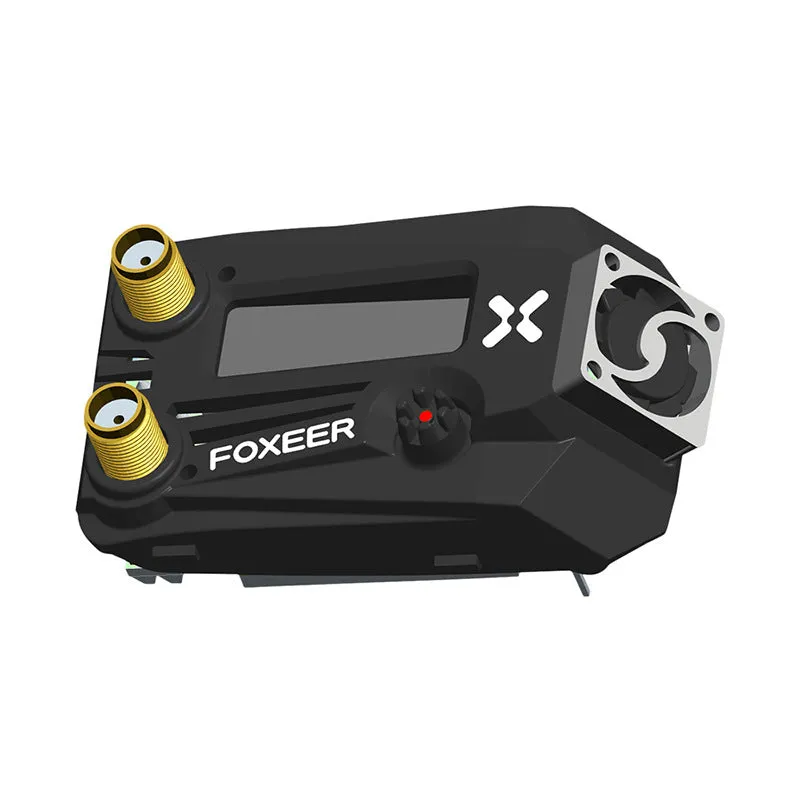
The value of this FPV receiver lies in its specific design choices aimed at improving the core piloting experience.
Reuse and Low Maintenance
As an electronic receiver unit, its primary value is in repeated use across many flying sessions. The rechargeable battery system avoids the ongoing cost and waste of disposable batteries. There are no complex mechanical parts stated, suggesting maintenance would be limited to basic care of the electronics, connectors, and battery. Its compatibility with a major brand like FatShark extends its useful life, as it can be used alongside other components from that ecosystem as a pilot's gear evolves.
Why Choose This Product
This product offers a focused solution for FPV pilots seeking a dedicated, lightweight video receiver. The key differentiators are its explicit 58g weight, dual-receiver design for potential signal improvement, and its compatibility with FatShark systems. For a pilot building or upgrading their FPV kit, these glasses present a specific option that prioritises reduced head weight and signal reliability over a more basic, single-receiver unit. The value is in its applied design for the practical problems of FPV flight: weight fatigue and video signal integrity.