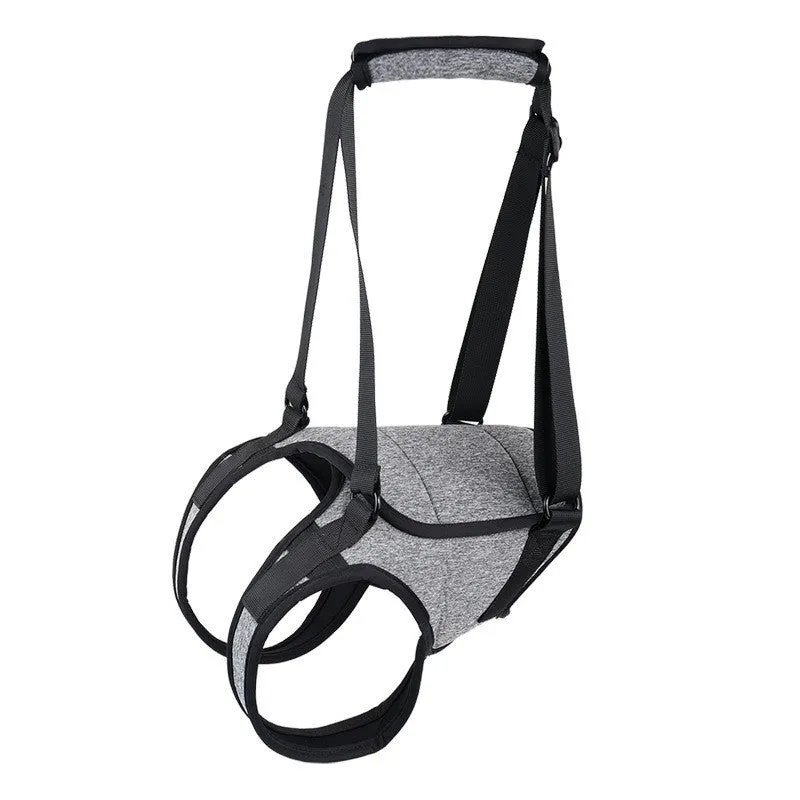
Dog rear leg recovery belt made from neoprene fabric, an injured pet support harness for hip and thigh mobility, available in sizes S, M, L, XL to fit waist measurements from 40cm to 76cm.


Dog rear leg recovery belt made from neoprene fabric, an injured pet support harness for hip and thigh mobility, available in sizes S, M, L, XL to fit waist measurements from 40cm to 76cm.
Neoprene Dog Rear Leg Recovery Belt in Four Sizes for Injury Support

This recovery belt is designed to aid dogs with injured rear legs, providing support during the healing process. Made from neoprene fabric, it offers a flexible alternative to stiff bandages, allowing for more natural movement while still stabilising the leg. The product comes in a practical grey colour and is available in four distinct sizes to ensure a good fit for different breeds and builds. It is supplied as a single unit, ready for use as part of a veterinary-recommended rehabilitation plan.
Features and Construction
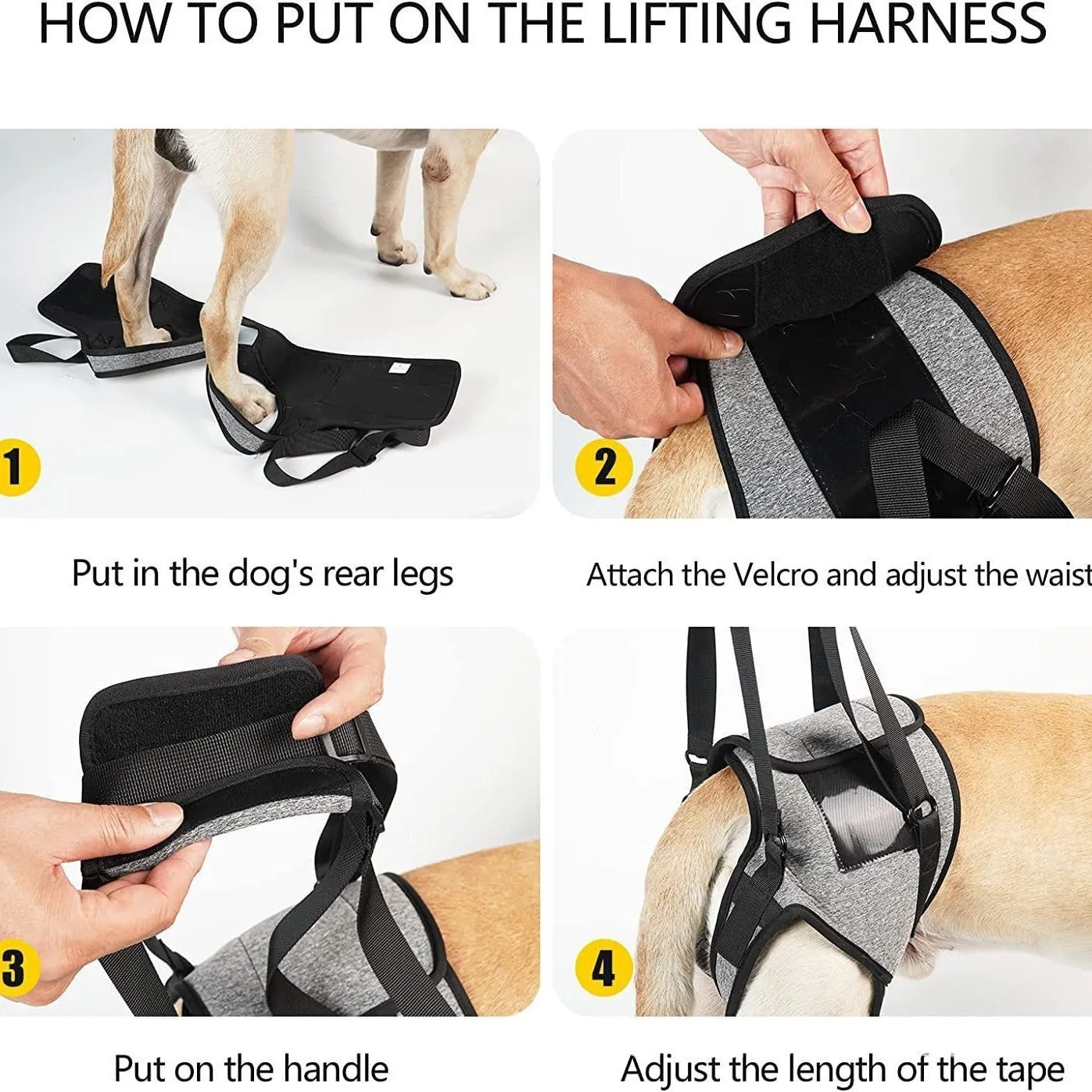
The belt's primary function is to support a dog's rear leg following an injury. Its construction focuses on providing stability without completely immobilising the joint, which can be beneficial for recovery.
Material and Build
The belt is made from neoprene, a synthetic rubber material commonly used in supportive wearables. Neoprene is known for its stretch and flexibility, which allows it to conform to the dog's body comfortably. This material choice makes the belt adaptable and less likely to cause chafing compared to harder supports. The construction appears to be a single, continuous harness designed to wrap around the waist and affected thigh.
Size and Practical Fit
A key feature is the availability of four sizes: S, M, L, and XL. Each size corresponds to specific waist and thigh measurements. The S size fits a waist of 40-46cm and a thigh of 24cm. The M size fits a waist of 46-52cm and a thigh of 27cm. The L size fits a waist of 50-62cm and a thigh of 31cm. The XL size fits a waist of 62-76cm and a thigh of 40cm. This range allows owners to select a belt that matches their dog's proportions for secure support.
Uses and Placement

This product is intended for specific scenarios where a dog requires auxiliary support for its hind legs. It is not a general-purpose accessory but a focused mobility aid.
Event or Professional Use
The belt is suitable for use during rehabilitation periods under veterinary guidance. It can help support the leg after surgeries like cruciate ligament repairs or during recovery from strains and sprains. Its design allows for controlled movement, which can be preferable to full immobilisation in certain recovery protocols. It may also be used by professional canine physiotherapists as part of a structured therapy session.
Everyday Home Use
For home care, the belt assists dogs with mobility issues, helping them navigate daily activities like walking on smooth floors or climbing shallow steps. It provides owners with a tool to help stabilise their pet's leg during potty breaks or short, controlled walks. The neoprene material is generally comfortable for extended wear, making it suitable for indoor use throughout the day as recommended by a vet.
Benefits and Buying Value
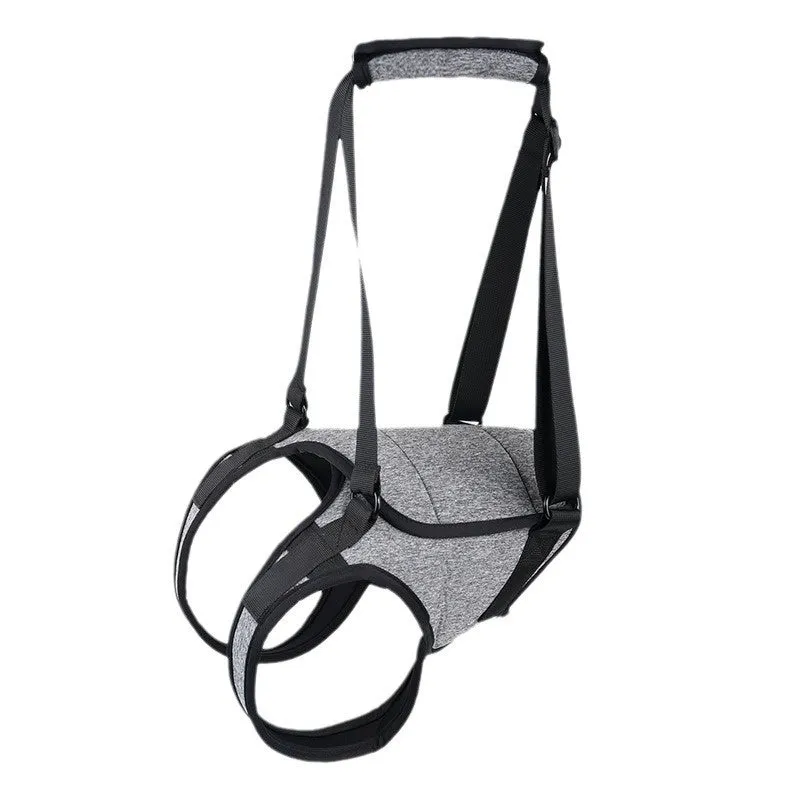
The value of this product lies in its specific application and material choice. It addresses a clear need for post-injury support in a practical way.
Reuse and Low Maintenance
As a durable neoprene product, the belt can be reused throughout a recovery period, which may last several weeks. Its simple design means there are no complex parts to break. Maintenance is straightforward: it can be cleaned with a damp cloth and mild soap, then air-dried. This ease of care makes it a practical item for ongoing use without requiring specialist cleaning methods.
Why Choose This Product
This recovery belt offers a targeted solution for rear leg support. Its multi-size availability ensures a better fit than one-size-fits-all alternatives, which is crucial for effective support. The neoprene material provides a balance of support and flexibility that is often sought in rehabilitation aids. For owners seeking a dedicated support harness for their dog's hind leg injury, this product presents a clear, functional option based on measurable sizing and a recognised material.